Park & nature
Sankei-en
 Arisdp · Wikimedia Commons · CC BY-SA 3.0
Some booking links are affiliate links. If you book through them, we may earn a small commission at no extra cost to you. We never let this influence which places we recommend.
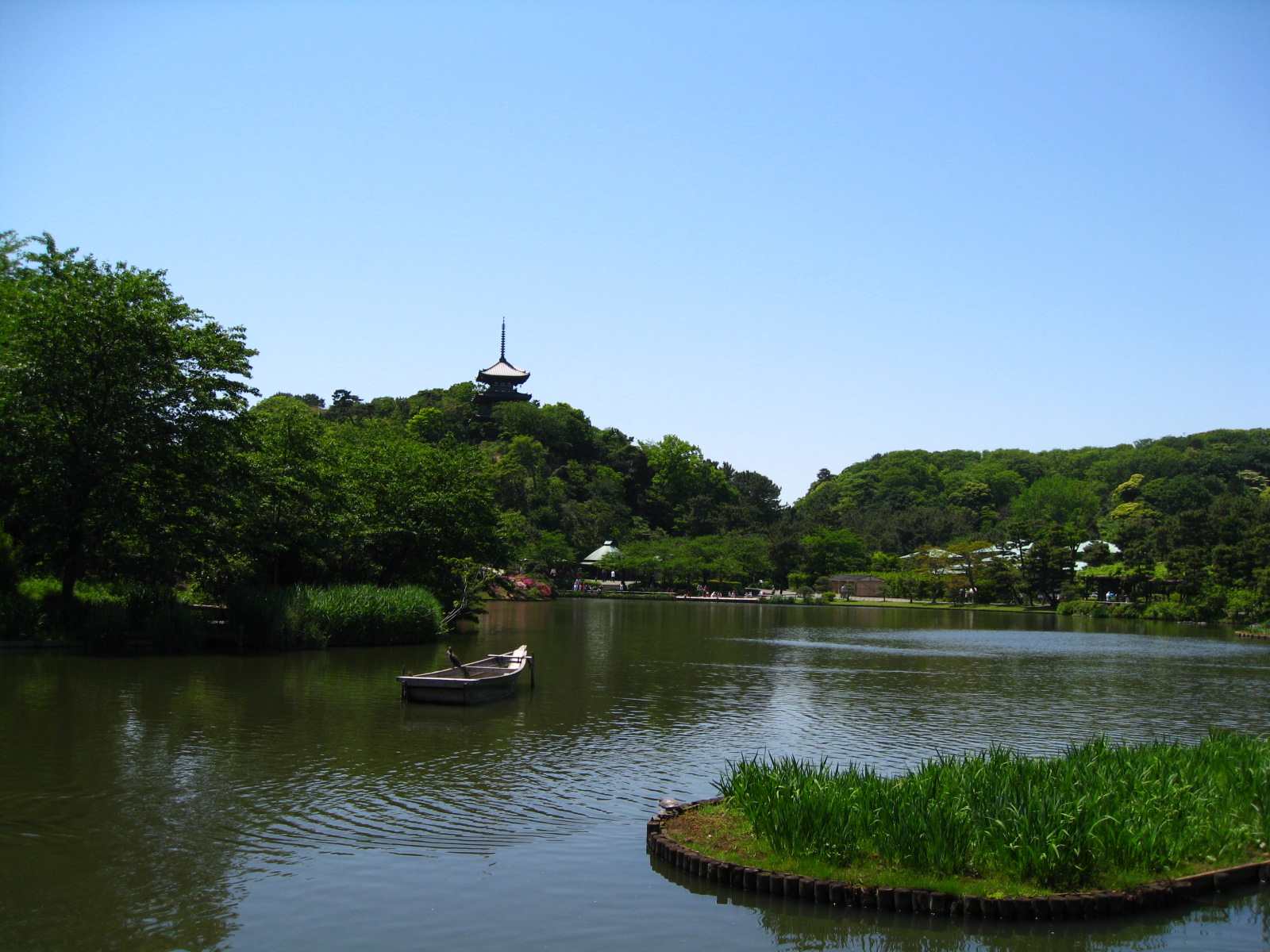
Sankei-en is a traditional Japanese-style garden in Naka Ward, Yokohama, that opened in 1906. It was designed and built by silk trader Tomitaro Hara, known as Sankei Hara. The garden covers 175,000 square meters and features ponds, streams, and winding paths. Almost all of its buildings are historically significant structures Hara bought from locations across Japan, including Tokyo, Kyoto, Kamakura, Gifu Prefecture, and Wakayama Prefecture. Ten of these buildings are designated Important Cultural Properties, and three more are Tangible Cultural Properties.
Don't miss
- Tōmyō-ji former three-story pagoda, built in Kyoto in 1457 and moved here in 1914, visible from any point in the garden and its symbol.
- Former Yanohara House, an Edo-period wealthy family home from Shirakawago (a World Heritage site), with original hearth, bathroom, and kitchen open to the public year-round.
- Rinshunkaku, a summer residence of Tokugawa Yorinobu from Wakayama Prefecture, often compared in beauty to the Katsura Imperial Villa in Kyoto.
- Gekkaden, built in 1603 by shōgun Tokugawa Ieyasu within Kyoto's Fushimi Castle, with paintings attributed to Momoyama period artist Kaihō Yūshō.
- Tenzui-ji's former Jutō Ōi-dō, built in 1591 by Toyotomi Hideyoshi as a resting place for his mother.
- Chōshūkaku, a pavilion traditionally attributed to shōgun Tokugawa Iemitsu, open in spring and November for autumn color viewing.
Tickets & tours
Ways to visit Sankei-en
You can explore Sankei-en at your own pace. A tour is worth it mainly for transport, or for pairing it with nearby sights in one day.
 Cheapest way in【Tokyo】JDM Daikoku Parking Area & Nissan Facility Tour4.9★ · 107 travelers2-3 hoursFree cancellationFrom$53 per personSee dates →
 Best full dayTokyo in 1 Day from Yokohama: Private Tour, Licensed Guide4.9★ · 150 travelers~8 hoursFree cancellationFrom$183 per personSee dates →
 Private & flexibleBest of Tokyo Private Tour for Yokohama Cruise Passengers5★ · 21 travelers~8 hoursFree cancellationFrom$151 per personSee dates →
Know before you go
- The garden is about 35 minutes by bus from Yokohama Station.
- The garden is popular for its cherry blossoms, ume blossoms, and autumn leaves.
- Ten buildings are Important Cultural Properties; three more are Tangible Cultural Properties.
- The Former Yanohara House is the only building whose interior is open to the public all year.
A bit of history
Work on the garden started in 1902 and ended in 1908, two years after it opened to the public. During Hara's lifetime, it became a gathering place for Meiji period artists. World War II caused great damage to the buildings. In 1953, the Hara family donated the garden to the City of Yokohama, which entrusted it to the Sankeien Hoshōkai Foundation. The foundation restored the garden almost to its pre-war condition, and it reopened to the public in 1958.
Common questions
When did Sankei-en open to the public?
The garden opened in 1906. The Outer Garden was the first part to open that year; the Inner Garden opened in 1958.
Who created Sankei-en?
It was designed and built by Tomitaro Hara, a silk trader known by the pseudonym Sankei Hara.
Are any buildings open to the public only during certain seasons?
Yes. The Kakushōkaku, Rinshunkaku, and Hakuun-tei are open only during summer. The Chōshūkaku is open in spring and November.
Can I rent any buildings for events?
Yes, the Kakushōkaku and the Gekkaden can be rented by the public for meetings and parties.
More attractions in Yokohama