Landmark
Statue of Hachikō
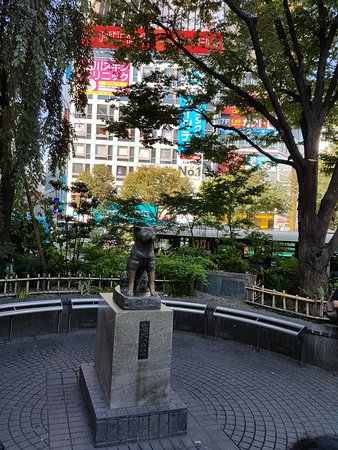 Photo via TripAdvisor (alejandroa552)
Some booking links are affiliate links. If you book through them, we may earn a small commission at no extra cost to you. We never let this influence which places we recommend.
A bronze statue of the Akita dog Hachikō, famous for his loyalty to his owner, stands outside Shibuya Station in Tokyo. It is a popular meeting spot and one of Japan's most famous public artworks.
Don't miss
- The bronze statue of Hachikō, an Akita dog known for his loyalty
- The Hachikō-guchi entrance, one of Shibuya Station's five exits
- A popular meeting spot for locals and visitors
Tickets & tours
Ways to visit Statue of Hachikō
You don't need a tour to visit, entry is free. A tour is worth it if you want transport, a guide, or to combine Statue of Hachikō with nearby sights in one day. That's what these do well.
 Cheapest way inTokyo Metro Subway Ticket4.2★ · 11 travelers24-72 hoursFrom$9 per personSee dates →
 Most bookedTokyo: Imperial Palace and Shogun Historical Walking Tour4.9★ · 2,979 travelers~2 hoursFree cancellationFrom$22 per personSee dates →
 Private & flexibleHarajuku Private Tour: Kawaii Fashion & Animal Cafe Included5★ · 79 travelers~4 hoursFrom$116 per personSee dates →
Know before you go
- The statue is located outside Shibuya Station, a major Tokyo transit hub.
- The station entrance near the statue is named Hachikō-guchi, making it easy to find.
A bit of history
The original statue, sculpted by Teru Andō, was unveiled in April 1934 with Hachikō himself present. It was melted down for the war effort during World War II. In 1948, Teru's son Takeshi Andō created a replacement, which was dedicated in August 1948 and still stands today. The station entrance near it is called Hachikō-guchi.
Common questions
Is the statue the original one from 1934?
No. The original was recycled for war materials during World War II. The current statue was erected in August 1948.
Who created the statue?
The original was by Teru Andō; the current one was made by his son, Takeshi Andō.
Was the statue ever stolen?
No. In 2007, The Japan Times ran an April Fools' story claiming it was stolen, but it was a joke.
More attractions in Tokyo