Park & nature
Hortus Botanicus (Amsterdam)
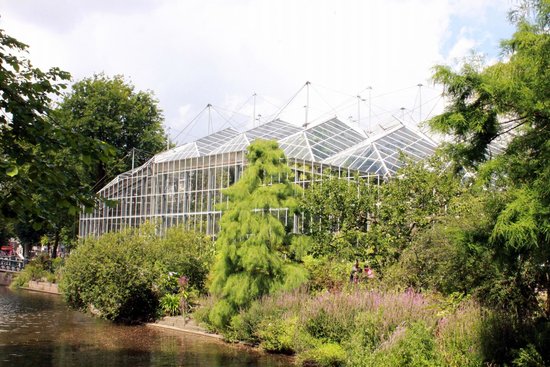 Photo via TripAdvisor (simospeci)
חלק מקישורי ההזמנה הם קישורי שותפים. אם תזמינו דרכם, אנו עשויים להרוויח עמלה קטנה ללא עלות נוספת עבורכם. אנו לעולם לא נותנים לכך להשפיע על המקומות שאנו ממליצים עליהם.
Hortus Botanicus Amsterdam, שנוסד בשנת 1638, הוא אחד הגנים הבוטניים העתיקים בעולם. הגן שוכן ברובע Plantage ומציע מפלט שליו מהמולת העיר. יש בו אוסף עצום של צמחים מרחבי העולם, חממת דקלים היסטורית, חממת פרפרים וחממה המדמה שלושה אזורי אקלים. המבקרים יכולים לשוטט באזורים לפי נושא, ובהם הגן היפני וגן צמחי המרפא. בית הקפה והמרפסת של הגן הם מקום נעים למנוחה בין הצמחים. זהו מקום מפלט לחובבי צמחים ולכל מי שמחפש שלווה באמסטרדם.
אסור לפספס
- בקרו בחממת הדקלים ההיסטורית (1912) ובצמחים הטרופיים שלה
- סיירו בחממת הפרפרים, שבה פרפרים מתעופפים בחופשיות
- ראו בחממה הסובטרופית את הציקס הענק ממזרח הכף בן 300 השנים
- טיילו בגן היפני ובגן הסיסטמטי
- נוחו בבית הקפה Orangery מול נוף הגן
כרטיסים וסיורים
דרכים לבקר בHortus Botanicus (Amsterdam)
אפשר לטייל בHortus Botanicus (Amsterdam) בקצב שלכם. סיור שווה בעיקר בשביל ההסעות, או כדי לשלב אותו עם אטרקציות סמוכות ביום אחד.
 הכניסה הזולה ביותרAbsolutely Amsterdam - the Essential Introductory Walking Tour4.9★ · 4,033 מטיילים~3 שעותביטול חינםהחל מ$6 לאדםהצג תאריכים →
 הכי מוזמןAmsterdam Classic Saloon Boat Cruise with Drinks and Cheese4.8★ · 33,195 מטיילים~1 שעהביטול חינםהחל מ$19 לאדםהצג תאריכים →
 פרטי וגמישDeparture from Amsterdam City to Amsterdam Airport AMS by Minivan5★ · 15 מטיילים~1 שעהביטול חינםהחל מ$102 לאדםהצג תאריכים →
כדאי לדעת לפני שיוצאים
- The garden is located in the leafy Plantage district, which also features Artis Zoo and grand mansions.
- A single coffee plant from this garden is the ancestor of all coffee cultivation in Central and South America.
- Two small potted oil palms from Mauritius produced seeds that became a major source of revenue in the Dutch East Indies.
קצת היסטוריה
The garden was founded by Amsterdam City Council in 1638 as the Hortus Medicus, serving as a training and examination site for physicians and pharmacists. In the 17th century, traders from the Dutch East India Company brought back plants and seeds for medicinal and commercial use. A single coffee plant from the collection became the parent of all coffee cultivation in Central and South America, and two potted oil palms from Mauritius produced seeds that spread throughout Southeast Asia, becoming a major revenue source in the Dutch East Indies. Johannes Snippendaal, director in 1646, catalogued 796 plant species, mostly medicinal, many still grown in the Snippendaal Garden, known as 'the 17th century pharmacopoeia of Amsterdam'. The hexagonal pavilion dates to the late 1600s, the entrance gate to the early 1700s, the Orangery to 1875, and the Palm House and Hugo de Vries Laboratory (both Amsterdam School expressionist architecture) to 1912 and 1915. Hugo de Vries, director from 1885 to 1918, brought international attention. In 1987, the garden nearly closed when the University of Amsterdam stopped funding, but community supporters prevented closure, and it is now supported by the Amsterdam City Council.
שאלות נפוצות
What is the historical significance of Hortus Botanicus?
It is one of the world's oldest botanical gardens, founded in 1638 as a herbal garden for doctors and apothecaries, and it played a key role in the global spread of coffee and oil palm cultivation.
What architectural features should I look for?
Look for the hexagonal pavilion (late 1600s), the early 1700s entrance gate, the 1875 Orangery, and the Palm House and Hugo de Vries Laboratory, both in Amsterdam School expressionist architecture from 1912 and 1915.
Are there any rare or endangered plants?
Yes, the collection is famous for its trees and plants, some of which are endangered, including the Persian ironwood tree.
What is the Snippendaal Garden?
It is a section of the garden that recreates the 17th-century collection of medicinal plants, often called 'the 17th century pharmacopoeia of Amsterdam', with many species still grown today.
Can I visit the hothouse?
Yes, there is a large hothouse that incorporates three different tropical climates.
עוד אטרקציות באמסטרדם