Neighborhood
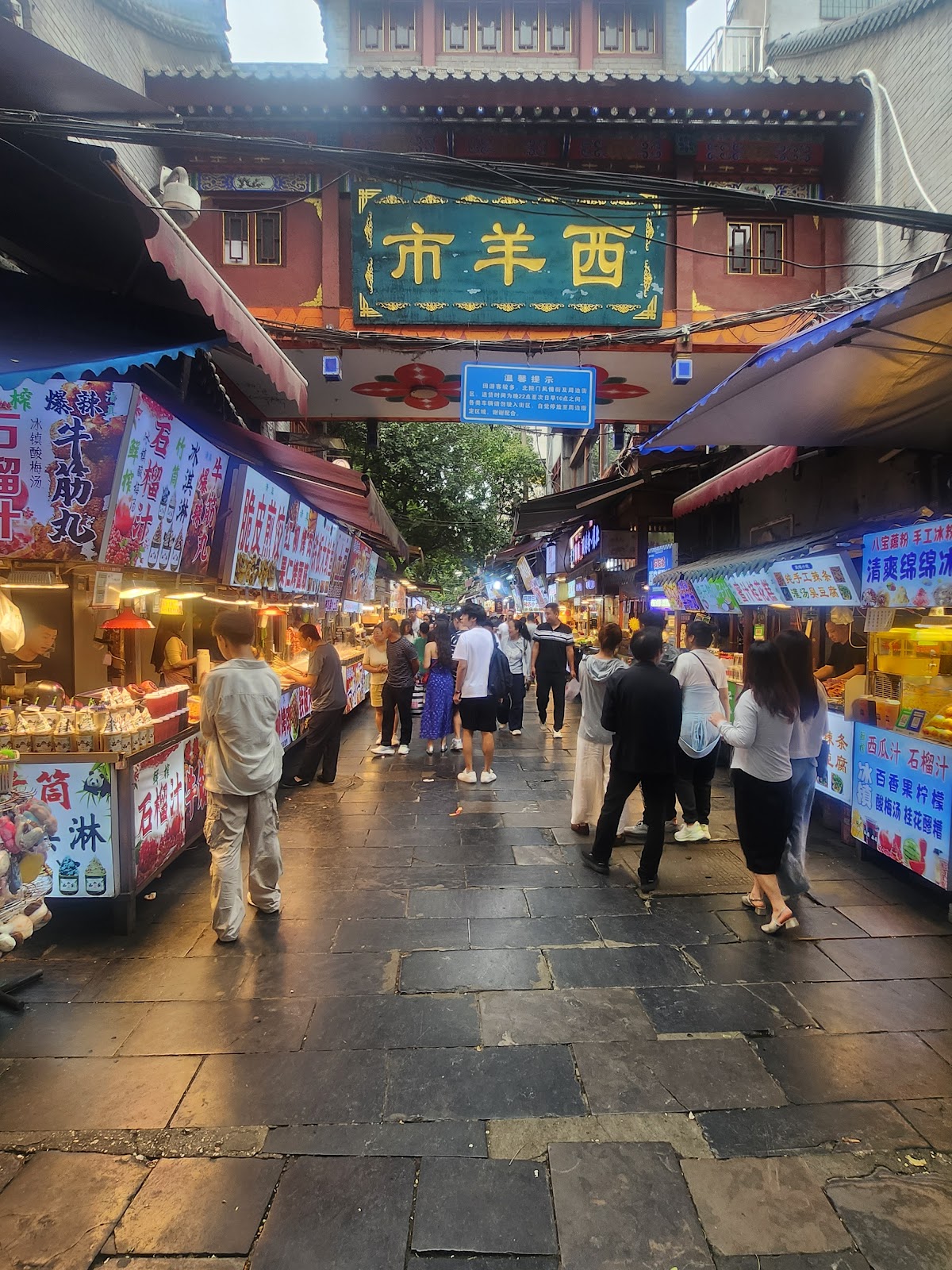
Xi'an Muslim Quarter
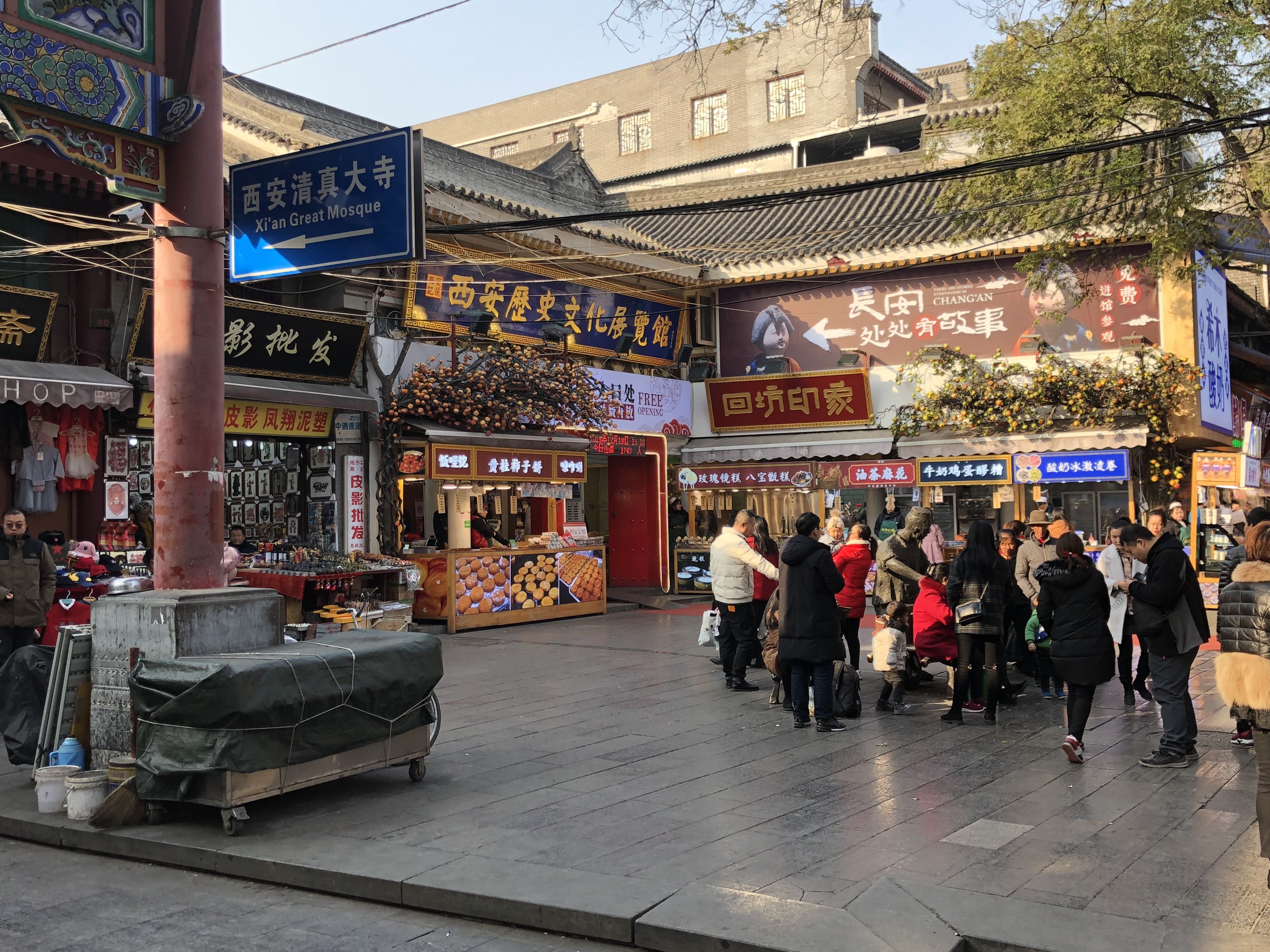 Qianeal · Wikimedia Commons · CC BY-SA 4.0
Einige Buchungslinks sind Affiliate-Links. Wenn du darüber buchst, erhalten wir möglicherweise eine kleine Provision ohne zusätzliche Kosten für dich. Das beeinflusst nie unsere Empfehlungen.
The Xi'an Muslim Quarter is a snack and commercial street in central Xi'an, near the Bell Tower and Drum Tower. It is famous for its culture and food, attracting visitors from around the world. The area is home to about 60,000 people, over half of whom are Hui Muslims, and contains ten mosques, including the Great Mosque, a state-level protected heritage site.
Nicht verpassen
- The Great Mosque, a state-level protected heritage site with traditional buildings and religious significance.
- Beef/lamb stew of bread, where you personally break pita into small pieces before it's cooked in broth with rice noodles and lamb.
- Wooden cages mirror cake, a traditional dessert made from steamed sticky rice in small wooden molds, topped with sugar, nuts, and rose jam.
- Steamed soup dumplings with tender meat, soft skin, and rich, non-greasy soup.
- Meat skewers, including lamb, squid, and beef, roasted over hot coals with spices.
Tickets & Touren
Möglichkeiten, Xi'an Muslim Quarter zu besuchen
Du kannst normalerweise alleine besuchen. Eine Tour lohnt sich für Transport, einen Guide oder die Kombination nahegelegener Sehenswürdigkeiten an einem Tag.
Anreise
Wissenswertes vor dem Besuch
- The area is connected by narrow roads, which often cause traffic congestion.
- The quarter lacks necessary municipal amenities such as parking lots and public restrooms.
- Most local Muslim families run private businesses like catering, butchery, and antiques, with many residential buildings converted into shop-fronts.
Ein Stück Geschichte
The quarter's history dates to the Tang dynasty, when Muslim merchants arrived via the Silk Road. During the Ming dynasty, the town hall near the Drum Tower attracted wealthy merchants, fostering a Muslim-led commercial lifestyle. The Qing dynasty saw a 'Three Mosque and Thirteen Blocks' pattern, and the quarter survived the late Qing Shan Gan Muslim Rebellion due to its commercial status and protected location inside the city wall. The Middle and West Mosques were built in 1919 and 1920, creating a 'Nine Mosques' pattern. After the founding of the People's Republic, religious activities ceased in many mosques, especially during the Cultural Revolution, with only the Great Mosque and Sajinqiao West Mosque in use. Later policy changes allowed mosques to reopen, and new ones were built, forming a 'Twelve Mosques' pattern.
Häufige Fragen
What is the best way to get to the Muslim Quarter?
The quarter is in central Xi'an, close to the Bell Tower and Drum Tower. Shehui Road is to the east, Zaoci Lane to the west, West Avenue to the south, and Hongfu Street to the north.
What kind of food is the Muslim Quarter known for?
It is famous for traditional foods like beef/lamb stew of bread, wooden cages mirror cake, steamed soup dumplings, and meat skewers (lamb, squid, beef) roasted over coals.
How many mosques are in the Muslim Quarter?
There are ten mosques in the area, with the Great Mosque being the largest and a state-level protected heritage site.
Weitere Attraktionen in Xi'an