Neighborhood
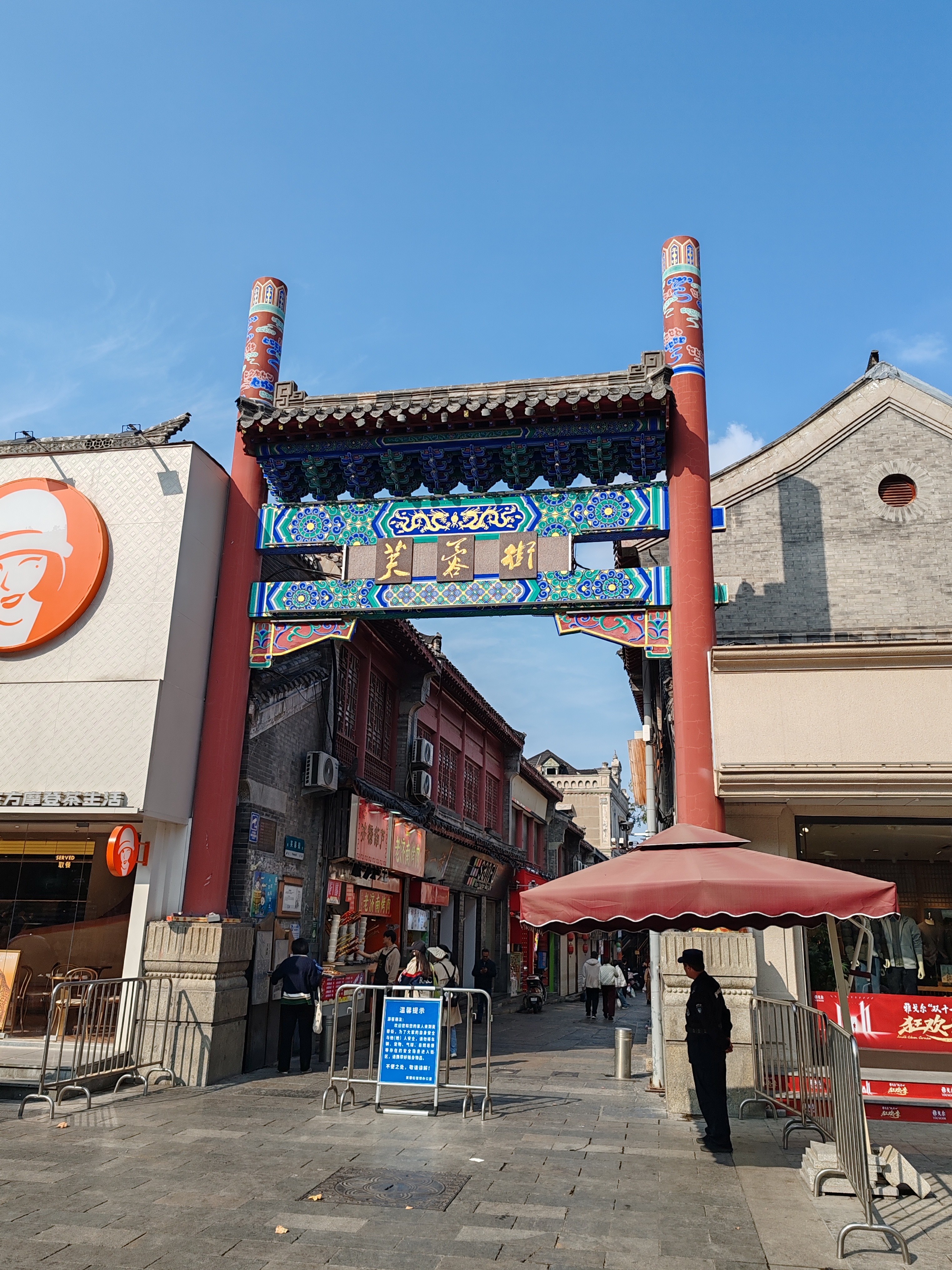
Furong Street
 Vitsuha · Wikimedia Commons · CC0
Some booking links are affiliate links. If you book through them, we may earn a small commission at no extra cost to you. We never let this influence which places we recommend.
Furong Street, also known as Water Lily Street, is a historic pedestrian lane in central Jinan that runs 432 meters north-south from the Fuxue Confucian Temple to Quancheng Street. It was once the city's administrative, financial, commercial, and cultural hub. Its narrow dimensions and surviving historical fabric recall its former role in the city centre.
Don't miss
- The Fuxue Confucian Temple at the northern end of the street, which also houses the Confucius Culture Museum.
- The narrow width of the street, averaging just 4.6 meters, giving it an intimate, old-town feel.
- The long creek with clear water that historically ran alongside the street and attracted businesses.
- Nearby Qushuiting Street, an old neighbourhood of alleys, traditional buildings, springs and the Hundred Flower Pond.
Know before you go
- The street is 432 metres long and averages only 4.6 metres wide.
- Its name means “water lily” and refers to the clear creek that historically helped attract merchants to the area.
- The Fuxue Confucian Temple stands at the northern end of the street.
A bit of history
The street's history traces back over 2000 years. It became a gathering place for merchants and wealthy families due to a long creek with clear water. In the 1660s, a yamen was established, turning the area into a residential and retail zone. By the early 20th century, it remained Jinan's administrative and commercial center. In 2006, the city government selected it for renovation to preserve its historical character.
Common questions
How long is Furong Street?
It is 432 meters long and about 4.6 meters wide.
What is at the northern end of the street?
The Fuxue Confucian Temple, which includes the Confucius Culture Museum.
Is the street part of a larger historic area?
Yes, together with Qushuiting Street to the north, it formed the most prosperous area in historical Jinan.
What kind of businesses were historically on the street?
Famous retail shops and services included a dentist, an educational bookstore, a pharmacy, and a grocery.
When was the street renovated?
In 2006, the city government included it among four sites for renovation to preserve its historical character.
More attractions in Jinan