Museum
Museum of Cham Sculpture
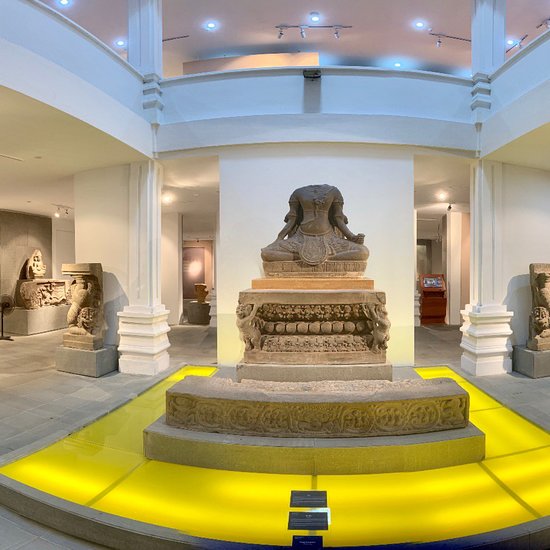 Photo via TripAdvisor (Voyageurs23)
Some booking links are affiliate links. If you book through them, we may earn a small commission at no extra cost to you. We never let this influence which places we recommend.
This museum in Da Nang's Hải Châu District, near the Han River, holds the world's largest collection of Cham sculpture and is a popular destination for visitors.
Don't miss
- Sculptures arranged by the areas where they were found, such as Mỹ Sơn, Trà Kiệu, and Đồng Dương.
- The original 1919 building designed with traditional Cham architectural elements.
- The 2002 expansion that added a second story with display space and a restoration workshop.
- Collections from regions including Quang Tri, Quảng Ngãi, Bình Định, and Kon Tum.
Tickets & tours
Ways to visit Museum of Cham Sculpture
You can visit Museum of Cham Sculpture on your own. A guide mainly adds context, what you are looking at and why it matters, and a tour can add transport or combine nearby sights into one day.
 Cheapest way inDa Nang City Sightseeing and My Son Sanctuary Heritage Experience4.8★ · 16 travelers~8 hoursFree cancellationFrom$2 per personSee dates →
 Best full dayCham Island Snorkeling Daily Group Tour, Sunbathing, nice beaches4.9★ · 488 travelers6-8 hoursFree cancellationFrom$54 per personSee dates →
 Private & flexiblePrivate Danang Hidden Food Walking Tours by Original Tastes5★ · 10 travelers3-4 hoursFree cancellationFrom$20 per personSee dates →
Getting there
Know before you go
- Located in Hải Châu District, central Da Nang, near the Han River.
- The museum was originally called the Musée Henri Parmentier and opened in 1919.
- It houses the world's largest collection of Cham sculpture.
A bit of history
First proposed in 1902 by the Department of Archaeology of EFEO, the museum was reportedly founded in 1915 as the Musée Henri Parmentier. Its initial building opened in 1919, designed by French architects M. Deleval and M. Auclair with traditional Cham elements. The site was previously a 'garden of sculptures' where Cham pieces from Da Nang, Quảng Nam, and elsewhere had been gathered for twenty years. The museum expanded in the mid-1930s with two new galleries and again in 2002 with a two-story building adding storage, a library, a restoration workshop, and offices.
Common questions
What is the museum's original name?
It was originally called the Musée Henri Parmentier.
When did the museum first open?
Its first building opened in 1919.
How has the museum expanded over time?
It expanded in the mid-1930s with two new galleries and again in 2002 with a two-story building.
What regions do the sculptures come from?
Collections include pieces from Mỹ Sơn, Trà Kiệu, Đồng Dương, Tháp Mẫm, Quang Tri, Quảng Ngãi, Bình Định, and Kon Tum.
More attractions in Da Nang