Neighborhood
Vũng Tàu
 Hoangvantoanajc · Wikimedia Commons · CC BY-SA 3.0
Some booking links are affiliate links. If you book through them, we may earn a small commission at no extra cost to you. We never let this influence which places we recommend.
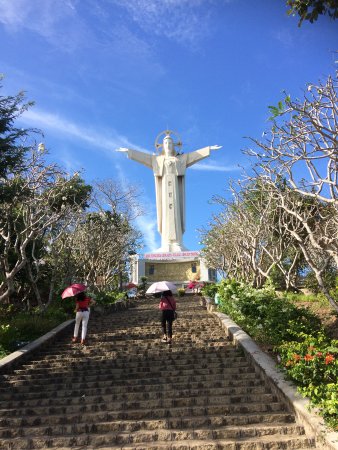
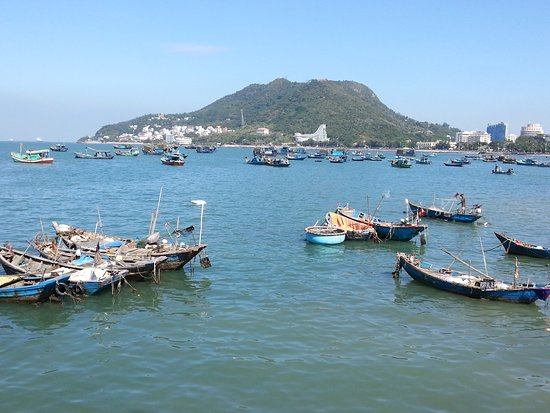
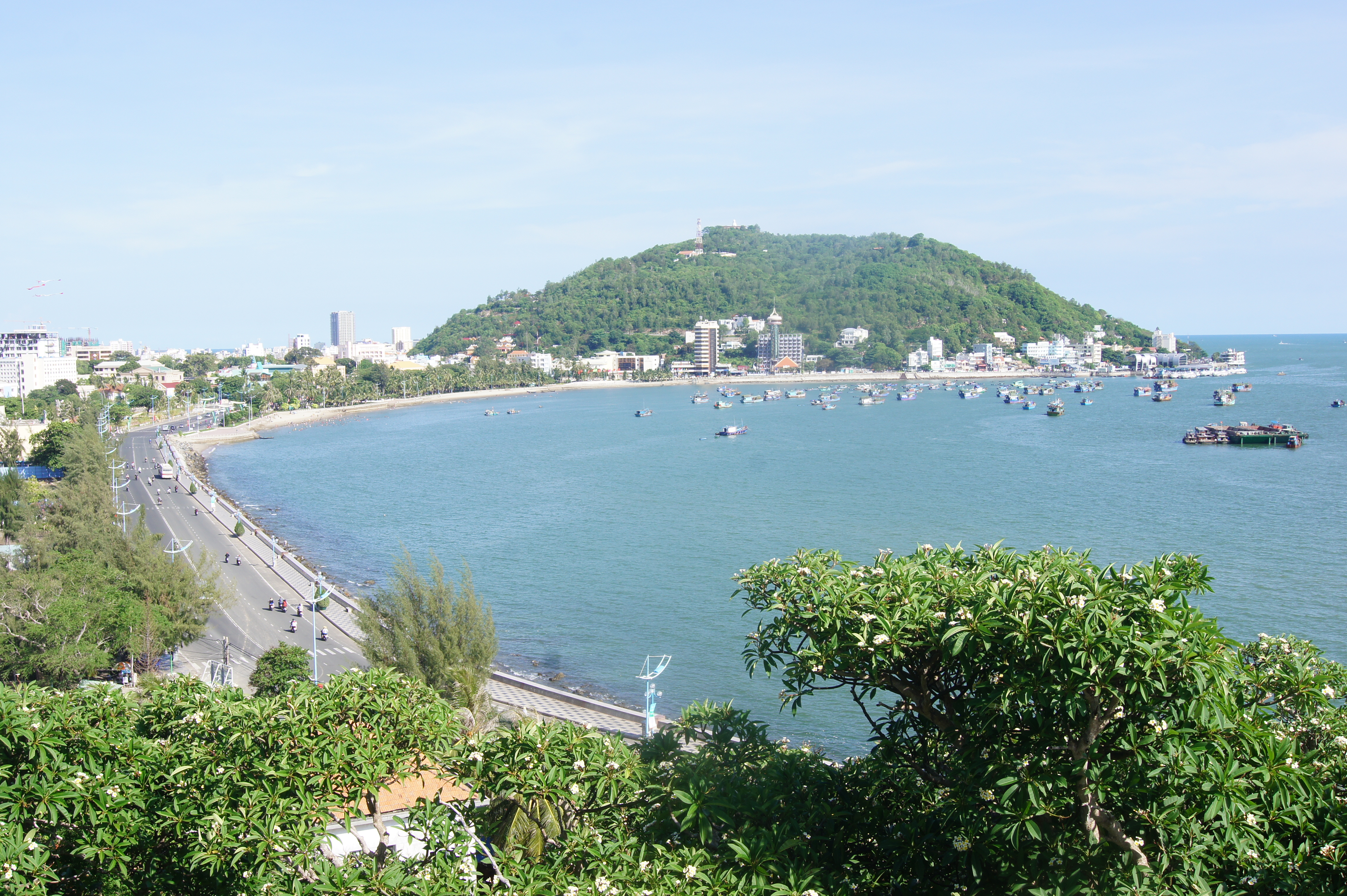
Vũng Tàu is a former coastal city in southeast Vietnam, about 125 km from Ho Chi Minh City. It sits on a peninsula separated from the mainland by a river, with long coastlines and a savanna climate. The city centre, on the southern tip, has long been a tourist haven for businesspeople from Ho Chi Minh City. It is known as a major crude oil extraction center of Vietnam.
Don't miss
- Front Beach: a compact beach with calm waters in a small bay at the southern tip of the peninsula.
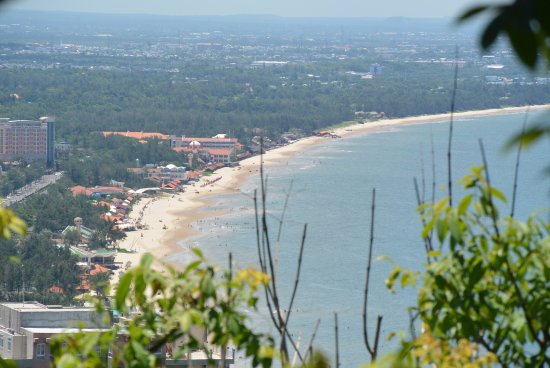
- Back Beach: long stretches of sand with relatively violent but safe waters on the city's eastern side.
- Villa Blanche: built in 1898 by French governor Paul Doumer, still a prominent landmark.
- Mũi Nghinh Phong (Cape of Greeting Wind): the cliff of Vũng Tàu, named by the French.
- Phước Thắng fortress: a military barrack built in 1839, armed with 6 bronze cannons, where the first cannons were fired at French battleships in 1859.
Tickets & tours
Ways to visit Vũng Tàu
You can usually visit on your own. A tour is worth it for transport, a guide, or combining nearby sights into one day.
 Cheapest way inFull Day Experience to Farm and Chocolate (Set For 2 Guests)5★ · 22 travelers~8 hoursFree cancellationFrom$16 per personSee dates →
 Best full dayHo Chi Minh City Shore Excursion Private Tour From Phu My Port4.7★ · 19 travelers~8 hoursFree cancellationFrom$78 per personSee dates →
Know before you go
- Dry season (Nov-Apr) is consistently hot and dry, ideal for hiking. Rainy season (May-Oct) brings lots of rain, usually in the afternoon, and is ideal for seaside frolics.
- Front Beach has calm waters; Back Beach has long stretches of sand and relatively violent but safe waters. Smaller beaches are dangerous for swimming.
- Much of the city is flat and easy to commute by bicycle, motorcycle, or on foot.
A bit of history
Archaeological excavations in Giồng Lớn show humans lived in the area since the 2nd millennium BC, with evidence of burial sites, tools, and trade connections to the Óc Eo Culture. Between the 1st and 7th centuries, the area was ruled by Funan, then Chenla. In 1295, a Chinese diplomat passed by a place called Zhenpu, probably in the Vũng Tàu region. During the 14th and 15th centuries, European trading ships visited regularly, inspiring the name Vũng Tàu, meaning 'anchorage'. The French later named it Cap Saint-Jacques. In 1859, Nguyễn's army fired cannons at French battleships from the Phước Thắng fortress, marking an important period in Vietnam's war against French invaders. During the Vietnam War, Vũng Tàu was a strategic defense spot and popular for R&R among US, Australian, and New Zealand personnel.
Common questions
How far is Vũng Tàu from Ho Chi Minh City?
It is about 125 km from Ho Chi Minh City (Saigon).
What is Vũng Tàu known for?
It is known as a major crude oil extraction center of Vietnam and a popular weekend destination for businesspeople from Ho Chi Minh City.
What are the main beaches?
Front Beach is a compact beach with calm waters in a small bay. Back Beach has long stretches of sand and relatively violent but safe waters.
More attractions in Vung Tau