Religious site
Emperor Jade Pagoda
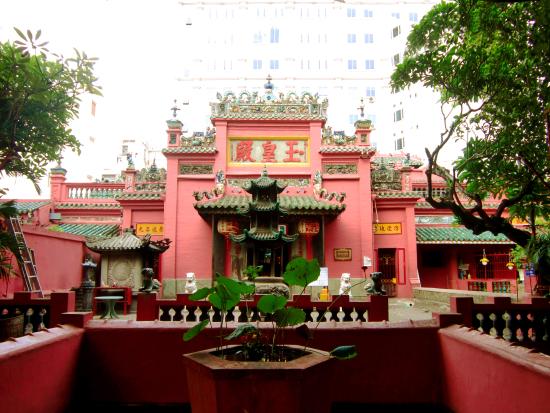 Photo via TripAdvisor (NathaliaTavares)
Some booking links are affiliate links. If you book through them, we may earn a small commission at no extra cost to you. We never let this influence which places we recommend.
Emperor Jade Pagoda, also known as Chùa Ngọc Hoàng, is a vibrant Taoist temple tucked away on a quiet street in Ho Chi Minh City's District 1. Built in the early 20th century by the Cantonese community, the pagoda is a feast for the senses: the air is thick with incense, the walls are adorned with intricate woodcarvings and ceramic mosaics, and the main hall houses a striking statue of the Jade Emperor. Visitors will find a serene courtyard with a turtle pond and statues of the Twelve Generals, each with a distinct expression. The pagoda remains an active place of worship, so you'll see locals offering prayers and burning incense. It's a compact site but rich in detail, making it a memorable stop for those interested in Vietnamese religious culture.
Don't miss
- The main hall with the imposing Jade Emperor statue
- Intricate woodcarvings and ceramic figurines depicting Chinese legends
- The turtle pond in the courtyard, considered a symbol of longevity
- Smoke-filled atmosphere from countless incense coils hanging from the ceiling
- Statues of the Twelve Generals, each with unique facial expressions
Tickets & tours
Ways to visit Emperor Jade Pagoda
You don't need a tour to visit, entry is free. A tour is worth it if you want transport, a guide, or to combine Emperor Jade Pagoda with nearby sights in one day. That's what these do well.
 Cheapest way inHo Chi Minh City: Highlights & Hidden Gems - Free Walking Tour4.8★ · 248 travelers~3 hoursFree cancellationFrom$1 per personSee dates →
 Most bookedHo Chi Minh City Private Half-Day Tour by U.S Army Jeep4.9★ · 1,305 travelers3-4 hoursFree cancellationFrom$71 per personSee dates →
 Private & flexibleHo Chi Minh City Tour Highlights & Hidden Gems - Small group5★ · 17 travelers~4 hoursFree cancellationFrom$29 per personSee dates →
Good for
How travelers rate it
Getting there
Know before you go
- Dress modestly (cover shoulders and knees) as it's an active place of worship.
- Photography is allowed, but be respectful of worshippers and avoid using flash.
- You can buy incense sticks at the entrance to make an offering.
- Watch for the fortune-telling sticks and ask for a paper interpretation if interested.
A bit of history
Built in 1909 by the Cantonese community, the pagoda is dedicated to the Jade Emperor, a Taoist deity. It has since become a popular pilgrimage site and a blend of Taoist, Buddhist, and Confucian influences.
Common questions
Is there an entrance fee?
No, entry is free. Donations are appreciated.
What are the opening hours?
Typically open from early morning until late afternoon, but hours may vary. It's best to visit in the morning.
Can I take photos inside?
Yes, but be respectful and avoid using flash near worshippers.
Is the pagoda crowded?
It can get busy, especially on weekends and during festivals. Early morning visits are quieter.
How long should I spend here?
About 30 minutes to an hour is sufficient to explore the main halls and courtyard.
Is it suitable for children?
Yes, but keep an eye on them near the turtle pond and incense burners.
More attractions in Ho Chi Minh City