Landmark
Chiang Kai-shek Memorial Hall
 AngMoKio · Wikimedia Commons · CC BY-SA 3.0
Some booking links are affiliate links. If you book through them, we may earn a small commission at no extra cost to you. We never let this influence which places we recommend.
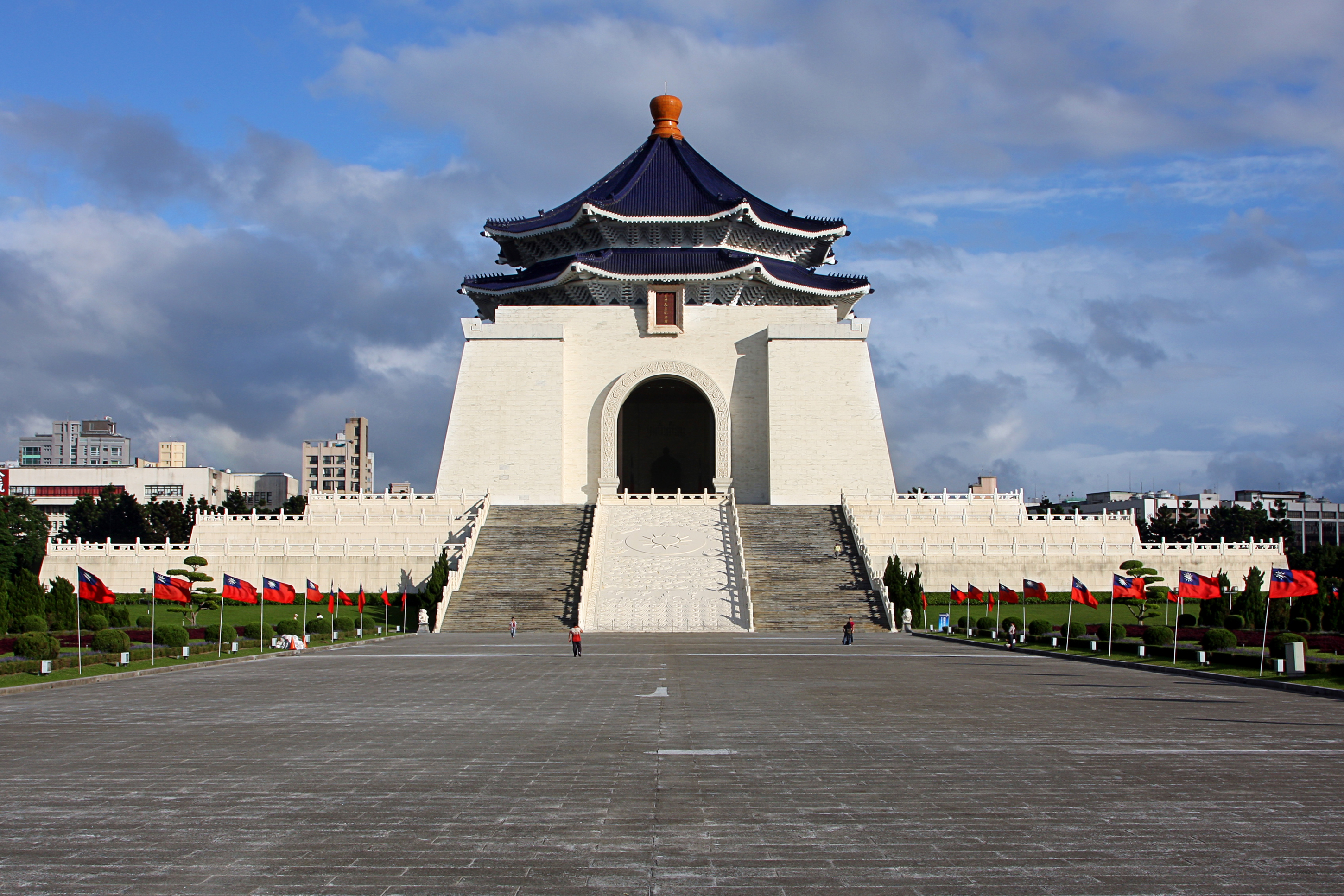
The Chiang Kai-shek Memorial Hall is a national monument in Taipei, built in memory of former President Chiang Kai-shek. The white, octagonal-roofed building sits at the east end of a large square, flanked by the National Theater and National Concert Hall. Inside, the upper level holds a large statue of Chiang, while the ground level houses a library and museum about his life and Taiwan's history. The site has also become a place for remembering Taiwan's martial law period (1949–1987).
Don't miss
- The large statue of Chiang Kai-shek in the main hall on the upper level
- The octagonal blue roof, a shape symbolizing abundance and good fortune in Chinese culture
- Two sets of white stairs, each with 89 steps representing Chiang's age at his death
- The Gate of Great Centrality and Perfect Uprightness at the west end of the square
- The permanent exhibition 'Flowers of Freedom,' which presents Taiwan's pursuit of democracy from 1945 to the present
Tickets & tours
Ways to visit Chiang Kai-shek Memorial Hall
You don't need a tour to visit, entry is free. A tour is worth it if you want transport, a guide, or to combine Chiang Kai-shek Memorial Hall with nearby sights in one day. That's what these do well.
 Cheapest way inTaipei Historic Shared Walking Tour (Tip-based)4.8★ · 224 travelers~3 hoursFree cancellationFrom$5 per personSee dates →
 Most booked4-Hour Morning Cycling City Tour (incl. breakfast)4.9★ · 442 travelers~4 hoursFree cancellationFrom$83 per personSee dates →
 Private & flexiblePrivate Custom Taipei Layover Tour from TPE airport5★ · 295 travelers~6 hoursFree cancellationFrom$115 per personSee dates →
Getting there
Know before you go
- The memorial hall has its own metro station on the Taipei MRT.
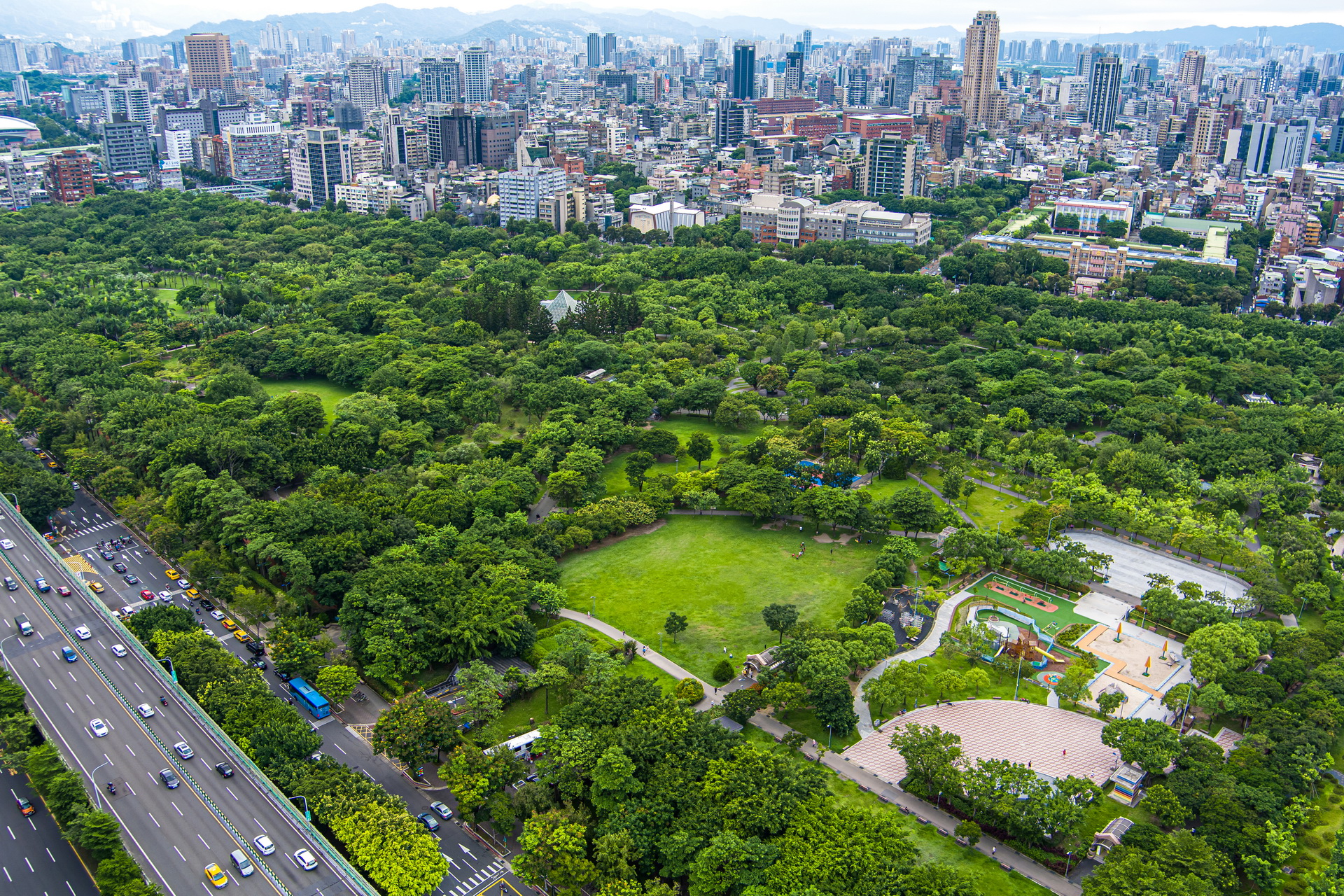
- The hall is part of a large park covering over 240,000 square metres in Zhongzheng District.
- The National Theater and National Concert Hall flank the memorial on the north and south sides.
A bit of history
After Chiang Kai-shek died on 5 April 1975, the government established a Funeral Committee to build a memorial. Architect Yang Cho-cheng's design, chosen in a competition, incorporated elements of traditional Chinese architecture. Groundbreaking took place on 31 October 1976, the 90th anniversary of Chiang's birth, and the hall opened on 5 April 1980. The square became Taipei's main site for mass gatherings, including the pro-democracy Wild Lily student movement rallies of 1990. In 2007, President Chen Shui-bian rededicated the plaza as Liberty Square. In 2017, the Ministry of Culture announced plans to transform the hall into a center for facing history and human rights. In 2024, military honor guards were removed from the memorial to stop promoting a 'cult of personality.'
Common questions
What is the significance of the 89 steps?
Each of the two sets of white stairs has 89 steps, representing Chiang Kai-shek's age at the time of his death.
Why is the roof octagonal?
The octagonal shape picks up the symbolism of the number eight, which is traditionally associated in Chinese culture with abundance and good fortune.
Is the memorial still dedicated to Chiang Kai-shek?
The original dedication was restored by President Ma Ying-jeou, while the plaza was affirmed as Liberty Square by officials across party lines.
What exhibitions are inside the memorial?
The ground level houses a library and museum documenting Chiang's life and career. The upper level has the main hall with his statue. There is also a permanent exhibition called 'Flowers of Freedom' about Taiwan's democratic history.
More attractions in Taipei