Landmark
Gyeongbokgung Palace
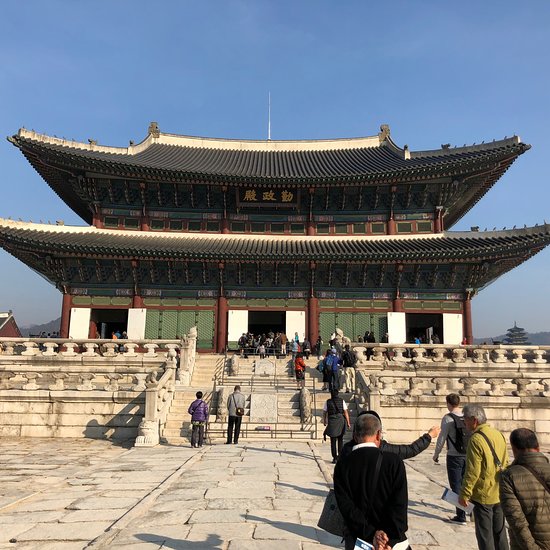 Photo via TripAdvisor (kanemochi)
Some booking links are affiliate links. If you book through them, we may earn a small commission at no extra cost to you. We never let this influence which places we recommend.
Gyeongbokgung Palace, also known as Gyeongbokgung, is the largest of the Five Grand Palaces built during the Joseon dynasty in Seoul. Constructed in 1395, it served as the main royal palace and seat of government. The complex is a sprawling ensemble of ornate gates, throne halls, and pavilions set against the backdrop of Bugaksan Mountain. Visitors can explore the meticulously restored Geunjeongjeon Hall, where kings held court, and the serene Hyangwonjeong Pavilion, a hexagonal two-story structure on an artificial island. The palace grounds also house the National Folk Museum and the National Palace Museum of Korea, offering deeper insights into Korean culture and history. A major highlight is the colorful changing of the guard ceremony at Gwanghwamun Gate, which takes place multiple times daily. The palace's harmonious blend of architecture and nature makes it a must-visit for understanding Seoul's heritage.
Don't miss
- Watch the Changing of the Guard ceremony at Gwanghwamun Gate
- Explore Geunjeongjeon Hall, the main throne hall
- Stroll through the serene Hyangwonjeong Pavilion and its lotus pond
- Visit the National Folk Museum within the palace grounds
- Rent a hanbok (traditional Korean clothing) for free admission and immersive photos
Tickets & tours
Ways to visit Gyeongbokgung Palace
You can visit on your own (paid entry, check official site for current fees. consider booking online to skip lines during peak seasons). A tour adds transport and a guide, or combines nearby sights into one day.
 Cheapest way inGyeongbokgung Palace Hanbok Rental Experience in Seoul4.1★ · 89 travelers~2 hoursFree cancellationFrom$7 per personSee dates →
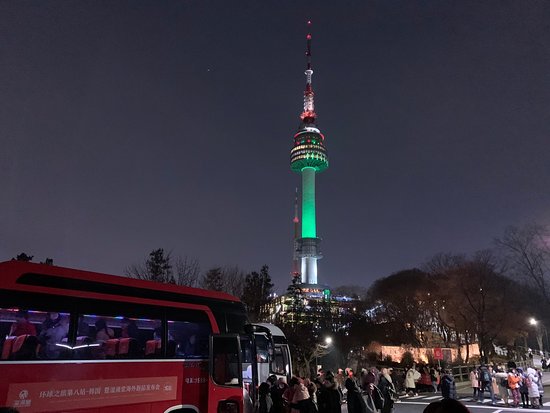
 Best full daySeoul City Sightseeing Tour Including Gyeongbokgung Palace, N Seoul Tower, and Namsangol Hanok Village4.9★ · 3,962 travelers~8 hoursFree cancellationFrom$32 per personSee dates →
 Private & flexibleSeoul Private Local Tour: Gyeongbokgung, Seochon & Market Tour5★ · 10 travelers5–6 hoursFree cancellationFrom$68 per personSee dates →
Know before you go
- The palace is closed on Tuesdays. Plan your visit accordingly.
- Renting a hanbok grants free admission and is a popular way to experience the palace.
- Photography is allowed, but tripods and drones are prohibited.
- Wear comfortable shoes as the complex is large and involves a lot of walking.
A bit of history
Gyeongbokgung was built in 1395 by King Taejo, the founder of the Joseon dynasty. It was destroyed during the Japanese invasions of Korea (1592–1598) and left in ruins for centuries. Reconstruction began in the 19th century under Prince Regent Heungseon Daewongun, but much of it was again damaged during the Japanese occupation (1910–1945). Since the 1990s, extensive restoration efforts have returned the palace to its former glory.
Common questions
Is Gyeongbokgung Palace free to enter?
No, there is an admission fee. However, wearing a hanbok allows free entry.
How long does the changing of the guard ceremony last?
The ceremony lasts about 20 minutes and takes place at 10:00 and 14:00 daily (except Tuesdays).
Can I visit the palace at night?
Occasionally, the palace opens for special night tours during certain seasons. Check the official website for schedules.
Are guided tours available?
Yes, free guided tours in English are offered at 11:00, 13:30, and 15:30. Check at the information center.
Is there a dress code?
No strict dress code, but respectful attire is appreciated. Hanbok rental is encouraged for a cultural experience.
What is the best way to get to Gyeongbokgung Palace?
The most convenient way is by subway: Gyeongbokgung Station (Line 3, Exit 4) or Gwanghwamun Station (Line 5, Exit 2).
More attractions in Seoul