Landmark
Pelourinho de Lisboa
 Manuela Öhler
Some booking links are affiliate links. If you book through them, we may earn a small commission at no extra cost to you. We never let this influence which places we recommend.
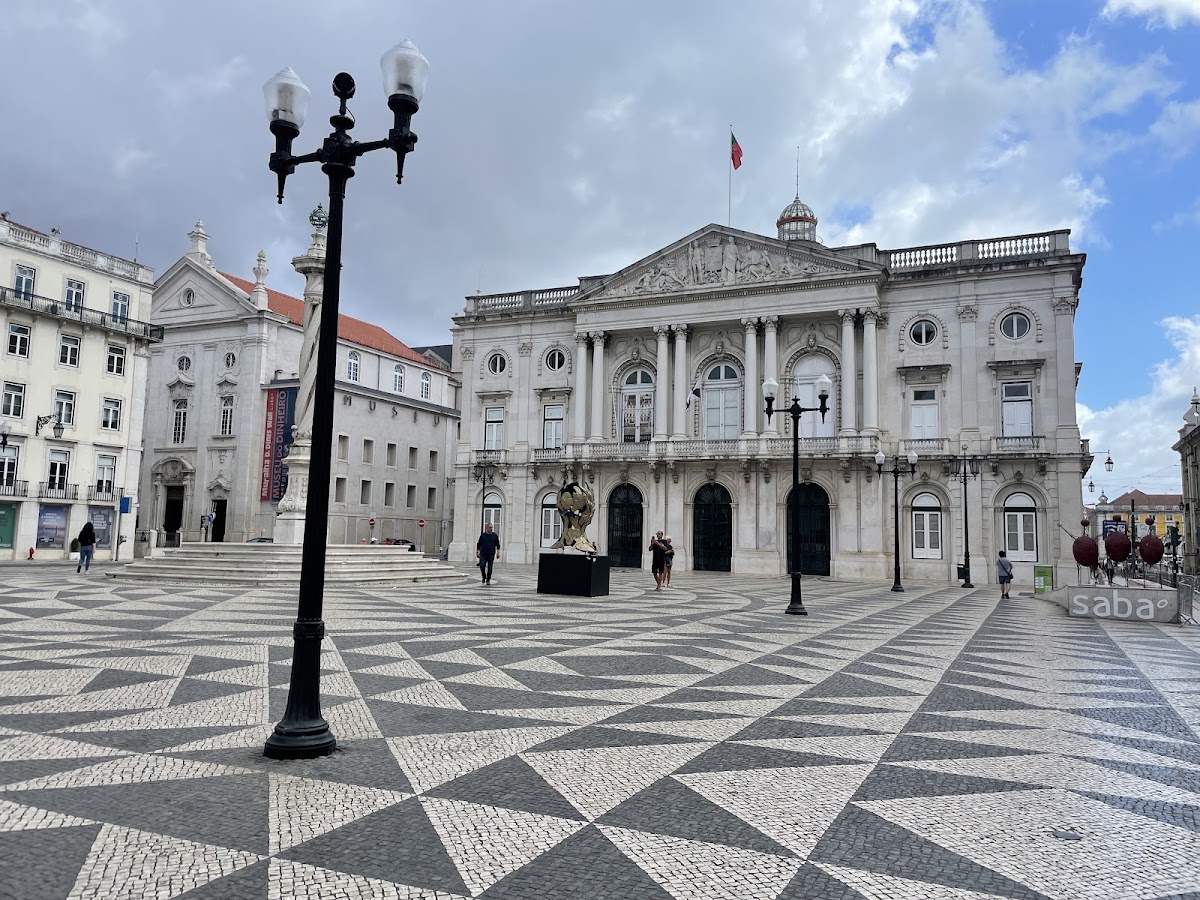
Pelourinho de Lisboa, or the Lisbon Pillory, is a historic stone column located in the Alfama district, one of Lisbon's oldest neighborhoods. Erected in the 16th century, it served as a symbol of municipal authority and was used for public punishments, such as whippings or displaying criminals in stocks. The pillory stands on a small square near the Church of São Miguel, surrounded by narrow cobblestone streets and traditional tiled buildings. Today, it is a quiet landmark that offers a glimpse into Lisbon's medieval past. Visitors can examine the carved stone details, including the armillary sphere and cross at the top, and imagine the square's former role as a site of justice. The area is also known for its Fado music venues and authentic Portuguese restaurants, making it a worthwhile stop during a walking tour of Alfama.
Don't miss
- The intricately carved stone column with an armillary sphere and cross
- The historic Alfama neighborhood with its narrow streets and Fado music
- Nearby Church of São Miguel and the Miradouro das Portas do Sol viewpoint
- Authentic Portuguese cuisine at nearby tascas (small restaurants)
Tickets & tours
Ways to visit Pelourinho de Lisboa
You don't need a tour to visit — entry is free. A tour is worth it if you want transport, a guide, or to combine Pelourinho de Lisboa with nearby sights in one day. That's what these do well.
 Cheapest way inAlfama and Mouraria Tour - The oldest neighbourhoods in Lisbon4.9★ · 523 travelers~3 hoursFree cancellationFrom$1 per personSee dates →
 Most bookedAlfama Tour in Lisbon Old Town4.9★ · 5,443 travelers~3 hoursFree cancellationFrom$3 per personSee dates →
 Private & flexiblePrivate Tuk Tuk Tour Through Lisbon’s Historical Streets4.9★ · 777 travelers1–2 hoursFree cancellationFrom$27 per personSee dates →
Know before you go
- Combine with a walk through Alfama to see other historic sites.
- Good photo opportunities, especially with the surrounding old buildings.
- Wear comfortable shoes for the uneven cobblestone streets.
- Alfama is famous for Fado; consider an evening visit to hear live music.
A bit of history
The pillory was built in the 16th century during the reign of King Manuel I. It was originally located in the Rossio square but was moved to Alfama in the 19th century. Similar pillories were common across Portugal as symbols of municipal jurisdiction.
Common questions
What was the pillory used for?
It was used for public punishments, such as whippings or displaying criminals.
Is there an entrance fee?
No, it is free to view.
How do I get there?
Take the metro to Santa Apolónia (blue line) and walk 10 minutes, or take tram 28.
What else is nearby?
The Church of São Miguel, Miradouro das Portas do Sol viewpoint, and many Fado houses.
Is the area wheelchair accessible?
It is challenging due to steep, narrow cobblestone streets.
When is the best time to visit?
Morning or late afternoon for cooler weather and fewer crowds.
More attractions in Lisbon