Historic site
Gor Khatri
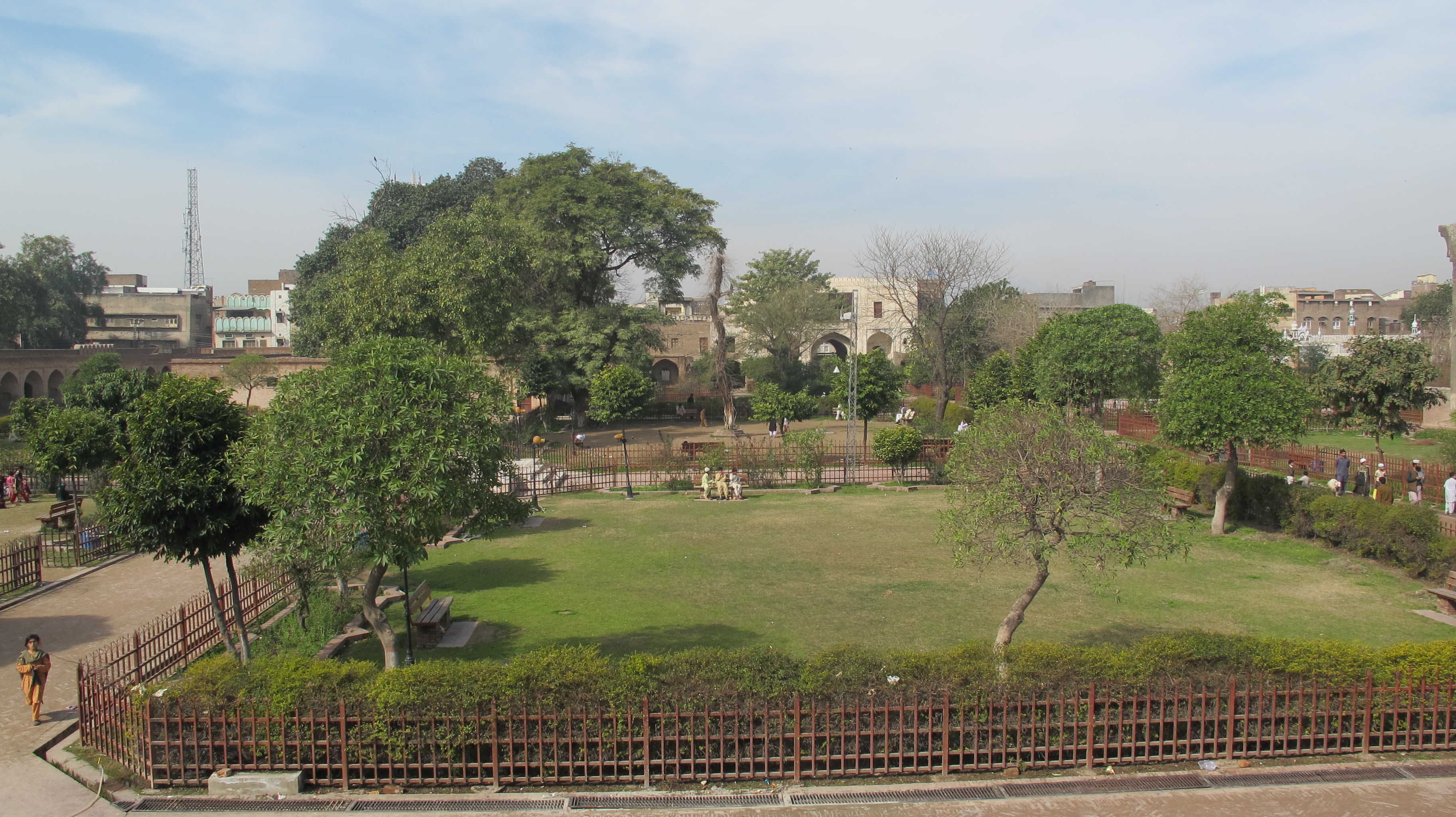 Tan Afridi · Wikimedia Commons · CC BY-SA 3.0
Some booking links are affiliate links. If you book through them, we may earn a small commission at no extra cost to you. We never let this influence which places we recommend.
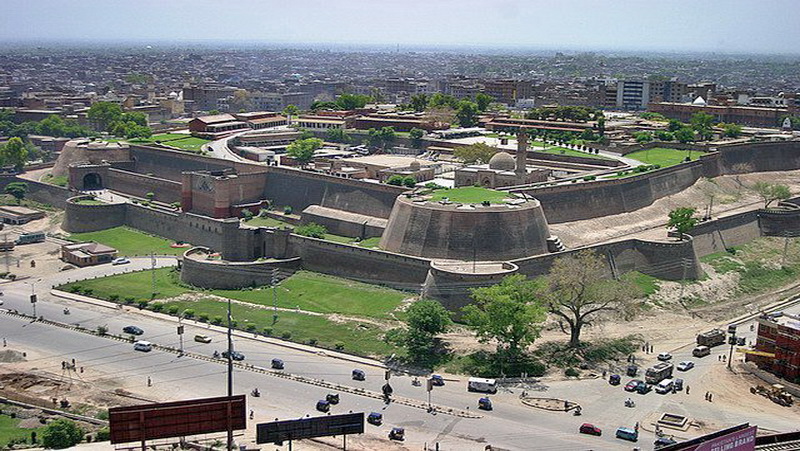
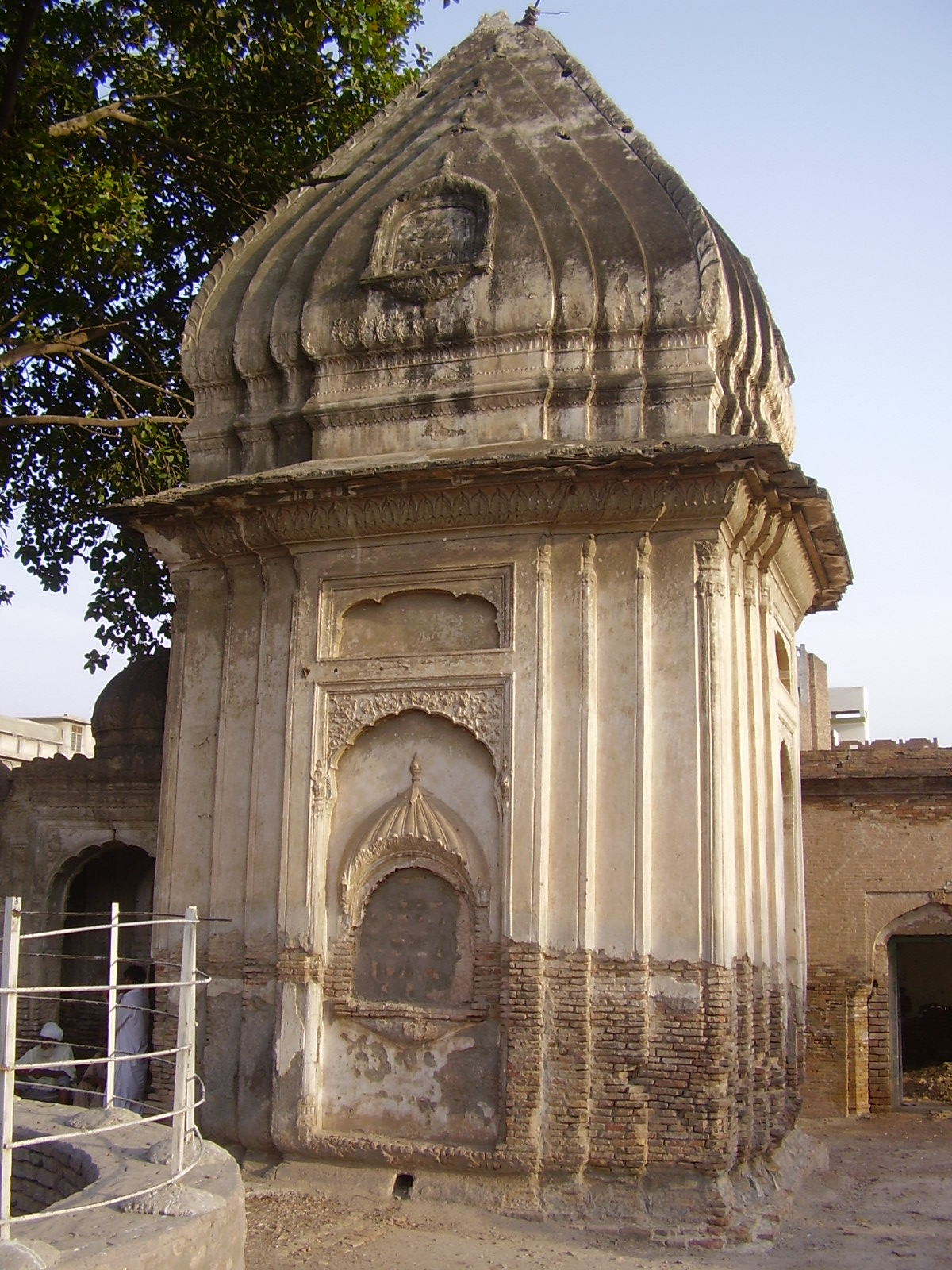
Gor Khatri is an archaeological site in Peshawar built as a Mughal caravanserai by Jahanara Begum, daughter of Shah Jahan. Its square compound preserves two prominent gateways, cells and buildings along its southern and western sides, and the Goraknath Temple at its center. Excavations have also exposed evidence far older than the surviving Mughal complex.
Don't miss
- The roughly 160-by-160-metre compound and its two monumental gateways.
- The Goraknath Temple standing at the center of the former caravanserai.
- Rows of cells and buildings that recall the site's accommodation for travelers.
- The unusually deep archaeological sequence beneath a visible Mughal-period complex.
- A single place layered with caravanserai, temple, governor's headquarters, police and fire-brigade history.
Tickets & tours
Ways to visit Gor Khatri
You can visit Gor Khatri on your own. A guide is worth it here for the history behind what you are seeing, and a tour can combine nearby sights into one day.
 Cheapest way inDiscover Peshawar Full Day Guided Tour from Islamabad5★ · 10 travelers8-12 hoursFree cancellationFrom$130 per personSee dates →
 Best full dayGhorepani - Poon Hill Trek 3N-4D5★ · 131 travelers~96 hoursFree cancellationFrom$321 per personSee dates →
 Private & flexiblePrivate Gurdwara Kartarpur Darbar sahib Day Trip From Lahore5★ · 15 travelers8-10 hoursFree cancellationFrom$135 per personSee dates →
Getting there
Know before you go
- The standing Mughal complex is only the latest chapter: excavation confirmed occupation reaching back at least to the 3rd century BC.
- Alexander Cunningham associated the site with Kanishka's stupa, while Ahmad Hasan Dani linked it with a tower said to hold the Buddha's bowl.
- Read the gateways, central temple and perimeter cells together; they reveal how the compound changed use without losing its basic enclosure.
A bit of history
Jahanara Begum established the caravanserai in 1641, naming it Sarai Jahanabad and providing a mosque, bathhouse and two wells for travelers. The Sikhs later used the site as the residence and headquarters of Paolo Avitabile, governor of Peshawar from 1838 to 1842, and built a Shiva temple there. From 1917 until 2002 the compound served as a police headquarters and fire brigade station. Archaeological campaigns begun in 1992–93 and continued through 2007 pushed evidence for Peshawar's settlement back by centuries.
Common questions
Who built Gor Khatri?
Jahanara Begum, daughter of the Mughal emperor Shah Jahan, built the caravanserai in 1641.
What did the caravanserai provide?
The complex known as Sarai Jahanabad included a mosque, bathhouse and two wells for travelers.
Why is the archaeology important?
Excavation found evidence extending Peshawar's settlement history back at least to the 3rd century BC and later pushed its known age back further.
What later uses did the compound have?
It became a Sikh governor's residence and headquarters, then served as a police headquarters and fire brigade station from 1917 to 2002.
More attractions in Peshawar