Neighborhood
Kabukichō
 Basile Morin · Wikimedia Commons · CC BY-SA 4.0
Some booking links are affiliate links. If you book through them, we may earn a small commission at no extra cost to you. We never let this influence which places we recommend.
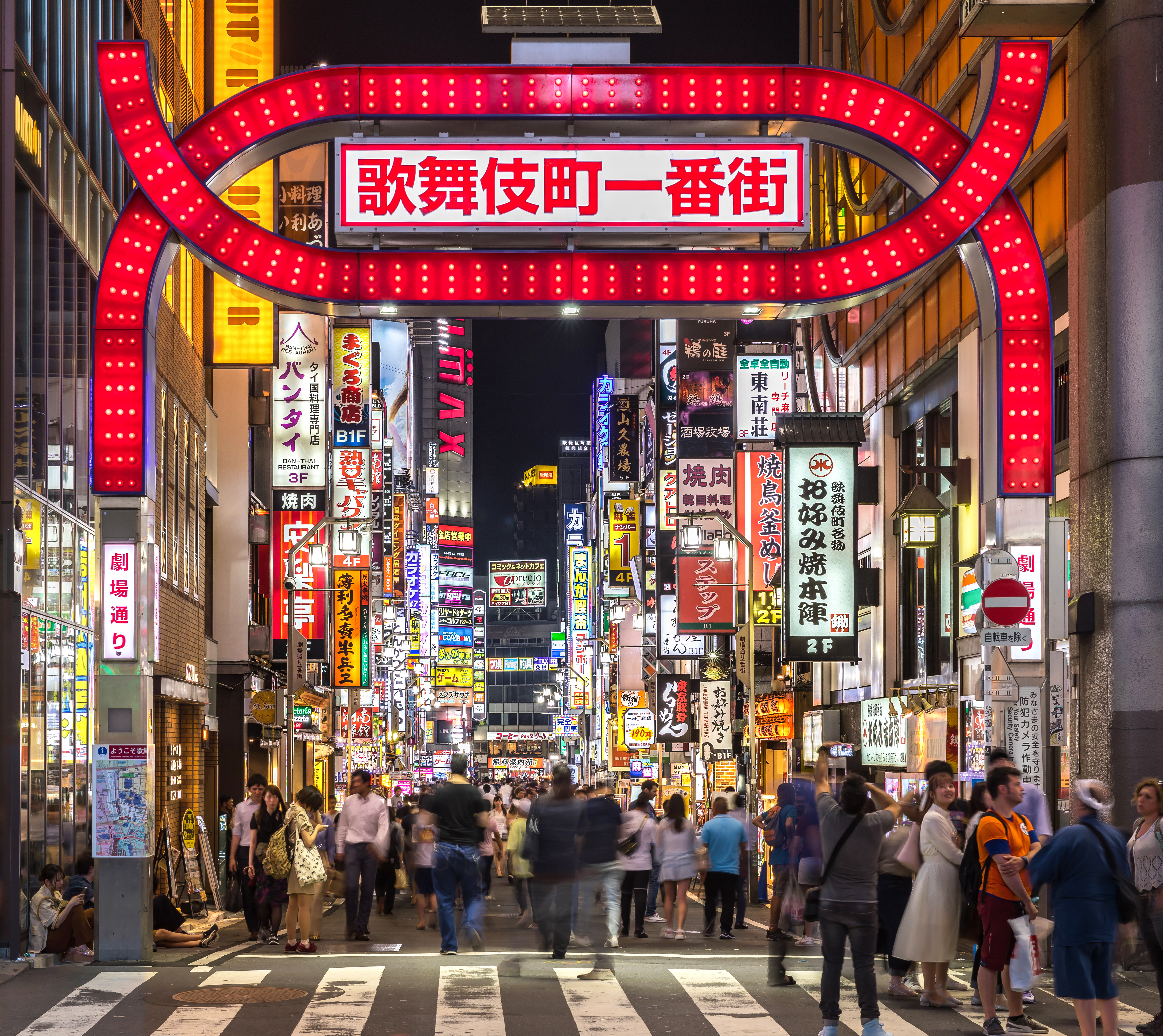
Kabukichō is an entertainment district in Shinjuku, Tokyo, often called the 'Sleepless Town'. It is a red-light district with a high concentration of host and hostess clubs, love hotels, shops, restaurants, and nightclubs. The area includes Shinjuku Golden Gai, famous for its many small bars. The red Kabuki-chō Ichiban-gai gate near the southwest corner is often photographed as the main entrance.
Don't miss
- The red Kabuki-chō Ichiban-gai gate, the main entrance to the district
- The life-size Godzilla replica (from the neck up) on the outdoor terrace of the Toho Shinjuku Building
- Shinjuku Golden Gai, a part of Kabukichō with a plethora of small bars
- The Tokyu Kabukicho Tower, a 225 m high skyscraper that opened on 14 April 2023
- Cinecity Square, near the Tokyu Milano-za site
Tickets & tours
Ways to visit Kabukichō
You can usually visit on your own. A tour is worth it for transport, a guide, or combining nearby sights into one day.
 Cheapest way inTokyo Shinjuku Chopsticks Making Class5★ · 3,749 travelers~1 hourFree cancellationFrom$9 per personSee dates →
 Most bookedTokyo Bar Hopping in Shinjuku: Free-flow, Full Dinner, Golden Gai4.9★ · 3,925 travelers~3 hoursFree cancellationFrom$106 per personSee dates →
 Private & flexiblePrivate Tokyo Tour: Local Guide, Custom Stops & Hidden Gems4.9★ · 1,229 travelers2-7 hoursFree cancellationFrom$105 per personSee dates →
Getting there
Know before you go
- Bottakuri is a common scam: bars attract patrons with low advertised prices then add hidden fees. In 2015, there were 1,052 reported cases in the first four months. Always confirm prices upfront.
- Since 2003, joint citizen and police patrols enforce business licensing. The area has 50 closed-circuit cameras installed in 2002.
- The Kabukicho Concierge Association recommends businesses safe for foreign patrons. Some newer dating platforms market themselves as foreigner-friendly with pre-agreed terms.
A bit of history
Originally a swamp called Tsunohazu, the area became a duck sanctuary after the Meiji Period. A girls' school was built in 1920, and the surroundings became residential. A bombing raid on April 13, 1945, razed the area. After the war, plans for a kabuki theater gave the district its name, though the theater was never built. The Tokyu Cultural Hall, Tokyu Milano-za movie theater, Tokyo Ice Skating Rink, and Shinjuku Koma Theater were completed in 1956, cementing its reputation as an entertainment center. The rise of home video entertainment led to more video arcades, discos, and businesses offering sexual services. In 1971, the first host club opened. By 1999, it was called 'Asia's largest adult entertainment district'.
Common questions
Is Kabukichō safe for tourists?
Crime has decreased since 2003 due to stricter enforcement, patrols, and cameras. However, bottakuri scams targeting tourists still occur. Use recommended businesses and confirm prices.
What is bottakuri?
Bottakuri is a bait-and-switch scam where bars charge hidden fees far above advertised prices. Report incidents to police.
Can I visit Kabukichō during the day?
Yes, with increased tourism from China and South Korea, tourists are now seen in Kabukichō even during daytime.
More attractions in Tokyo