Landmark · City Center
Hikokuro Takayama Statue
Some booking links are affiliate links. If you book through them, we may earn a small commission at no extra cost to you. We never let this influence which places we recommend.
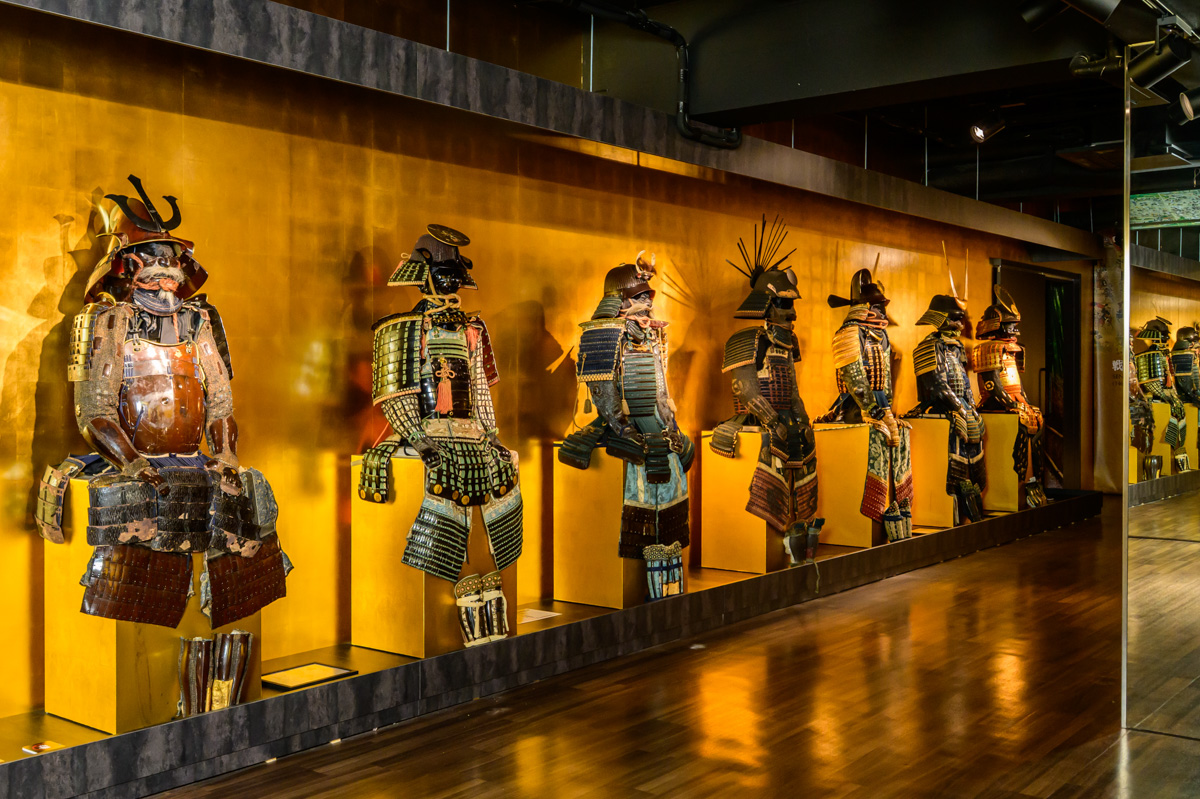
The Hikokuro Takayama Statue stands at the eastern end of Sanjo Ohashi bridge, a historic crossing over the Kamo River in central Kyoto. This bronze figure commemorates Hikokuro Takayama (1747–1793), a samurai known for his unwavering loyalty to the Tokugawa shogunate. Visitors will find the statue positioned on a stone pedestal, often with a small offering of coins or flowers left by locals. The area around the statue is a bustling intersection where traditional wooden townhouses meet modern shops and cafes. The statue itself is modest in scale but holds significance for those interested in Japan's feudal history. It serves as a quiet landmark amid the flow of pedestrians crossing the bridge, offering a moment of reflection on Kyoto's layered past.
Don't miss
- Observe the detailed bronze craftsmanship of the samurai figure.
- Read the explanatory plaque (in Japanese and English) for historical context.
- Take in views of the Kamo River and surrounding Higashiyama district.
- Combine with a walk across Sanjo Ohashi, a bridge with its own history dating to 1590.
- Photograph the statue with the backdrop of traditional Kyoto streets.
Tickets & tours
Ways to visit Hikokuro Takayama Statue
You don't need a tour to visit — entry is free. A tour is worth it if you want transport, a guide, or to combine Hikokuro Takayama Statue with nearby sights in one day. That's what these do well.
 Cheapest way inShuriken Experience in Takayama4.9★ · 50 travelers~1 hourFree cancellationFrom$13 per personSee dates →
 Most bookedKyoto: Gion Hidden Gems & Geisha Culture Tour4.9★ · 3,047 travelers~2 hoursFree cancellationFrom$25 per personSee dates →
 Private & flexibleEXPERIENCE TAKAYAMA OLD TOWN 30 MINUTES walk5★ · 11 travelers~1 hourFrom$29 per personSee dates →
Good for
How travelers rate it
Know before you go
- The statue is outdoors and visible 24/7, but best seen during daylight.
- Respectful photography is fine; avoid climbing on the statue.
- Combine with nearby attractions like the Pontocho alley or Nishiki Market.
- No restrooms or facilities at the statue itself; use nearby cafes or public restrooms.
A bit of history
Hikokuro Takayama was a samurai who remained loyal to the Tokugawa shogunate during the turbulent late Edo period. He is remembered for his dramatic suicide in 1793 to protest perceived injustices. The statue was erected to honor his memory and stands near the site of his final act.
Common questions
Who was Hikokuro Takayama?
He was a samurai from the Edo period known for his loyalty to the Tokugawa shogunate and his dramatic protest suicide in 1793.
Is the statue easy to find?
Yes, it is prominently located at the east end of Sanjo Ohashi bridge, a well-known landmark in central Kyoto.
Is there an entrance fee?
No, viewing the statue is free.
Can I take photos?
Yes, photography is allowed and encouraged.
How long should I spend here?
About 10–15 minutes is enough for the statue itself, but the area is worth exploring further.
Is the statue accessible by public transport?
Yes, it is a short walk from Sanjo Station on the Keihan Line or from Kyoto Shiyakusho-mae Station on the subway.
More attractions in Kyoto