Museum
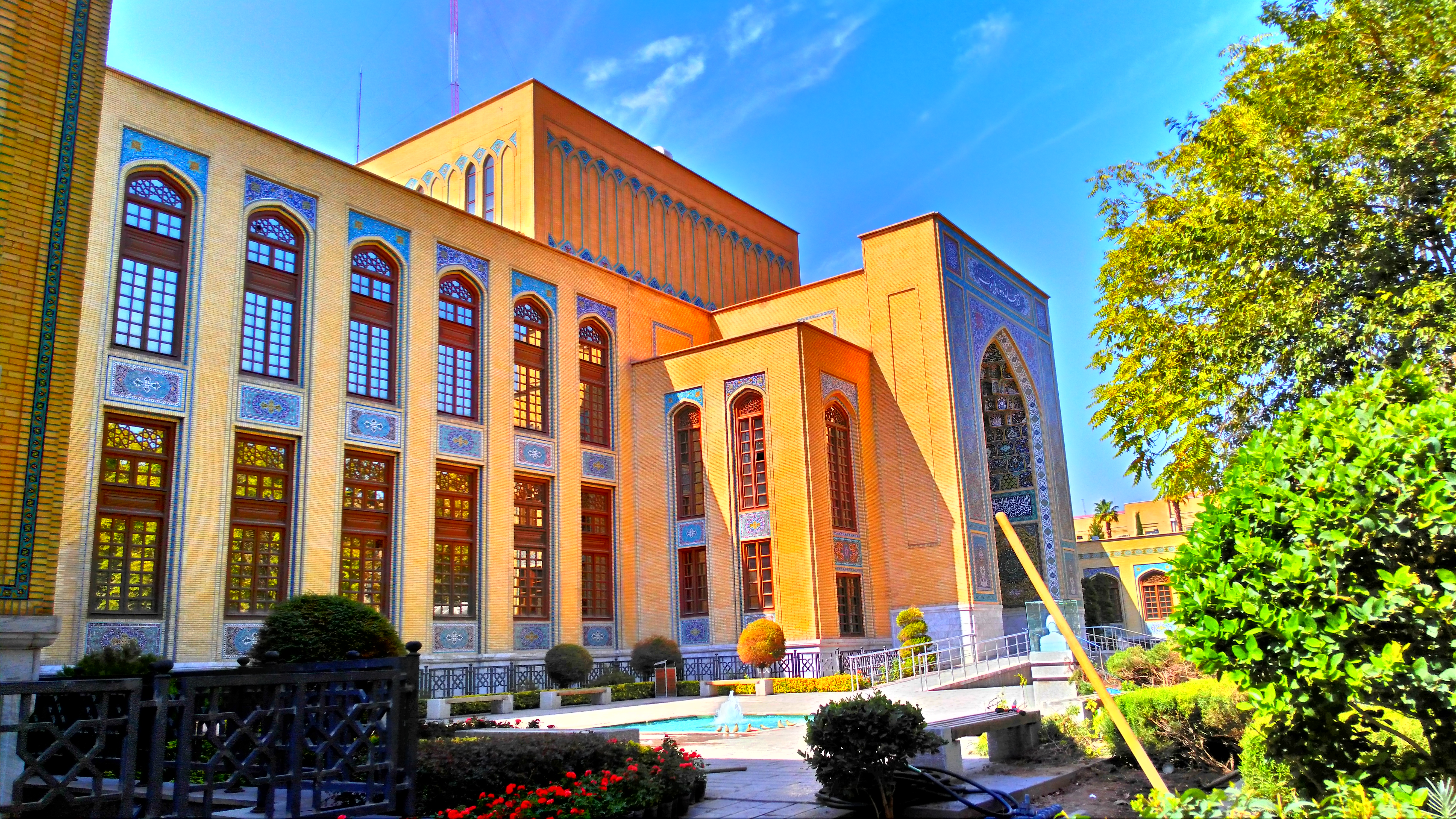
Malek National Museum and Library
 Azadi68 · Wikimedia Commons · CC BY-SA 4.0
Some booking links are affiliate links. If you book through them, we may earn a small commission at no extra cost to you. We never let this influence which places we recommend.
Malek National Museum and Library is a museum and national library in Tehran, Iran. It is the first private museum in Iran and one of six large libraries holding exquisite manuscripts. The collection includes Iranian historical artworks from the first millennium B.C. to the present day, as well as printed books, historical periodicals, coins, stamps, and carpets. The building is located in the historical National Garden area, the cultural-historical center of Tehran.
Don't miss
- Exquisite manuscripts and historical periodical documents
- Artworks from the first millennium B.C. to the present day
- Permanent exhibition of stamps
- Coins and carpets on display
- Located on Religions' Street, near churches, a fire temple, a synagogue, and a mosque
Tickets & tours
Ways to visit Malek National Museum and Library
You can visit Malek National Museum and Library on your own. A guide mainly adds context, what you are looking at and why it matters, and a tour can add transport or combine nearby sights into one day.
 Cheapest way inBeijing:National Museum of China ticket4.8★ · 12 travelers2-6 hoursFree cancellationFrom$10 per personSee dates →
 Best full dayThe Civilization Museum, the Citadel, Khalili Bazaar & Old Cairo4.9★ · 153 travelers7-8 hoursFree cancellationFrom$15 per personSee dates →
 Private & flexibleThe Egyptian Museum, Citadel, Khan Khalil Bazaar and Old Cairo4.9★ · 25 travelers~9 hoursFree cancellationFrom$16 per personSee dates →
Getting there
Know before you go
- Located in the historical National Garden area, the cultural-historical center of Tehran.
- Near Imam Khomeini Central Metro Station, a taxi terminal, and two bus terminals for easy access.
- Typical visitors include university students, researchers, and tourists.
A bit of history
The museum was built by Hossein Agha Malek, the richest man in Iran at the time, in a traditional Persian architecture style. In 1908, he founded a library in Mashhad with manuscripts and printed books, later moving it to his house near the Tehran Grand Bazaar, where he provided free access for scholars. The institution is a non-profit aimed at expanding knowledge, available to both Iranian and foreign visitors. In 1996, it moved to its current six-story building, designed with Islamic architecture and arts.
More attractions in Tehran